One More Conversation for Mental Health Awareness Month
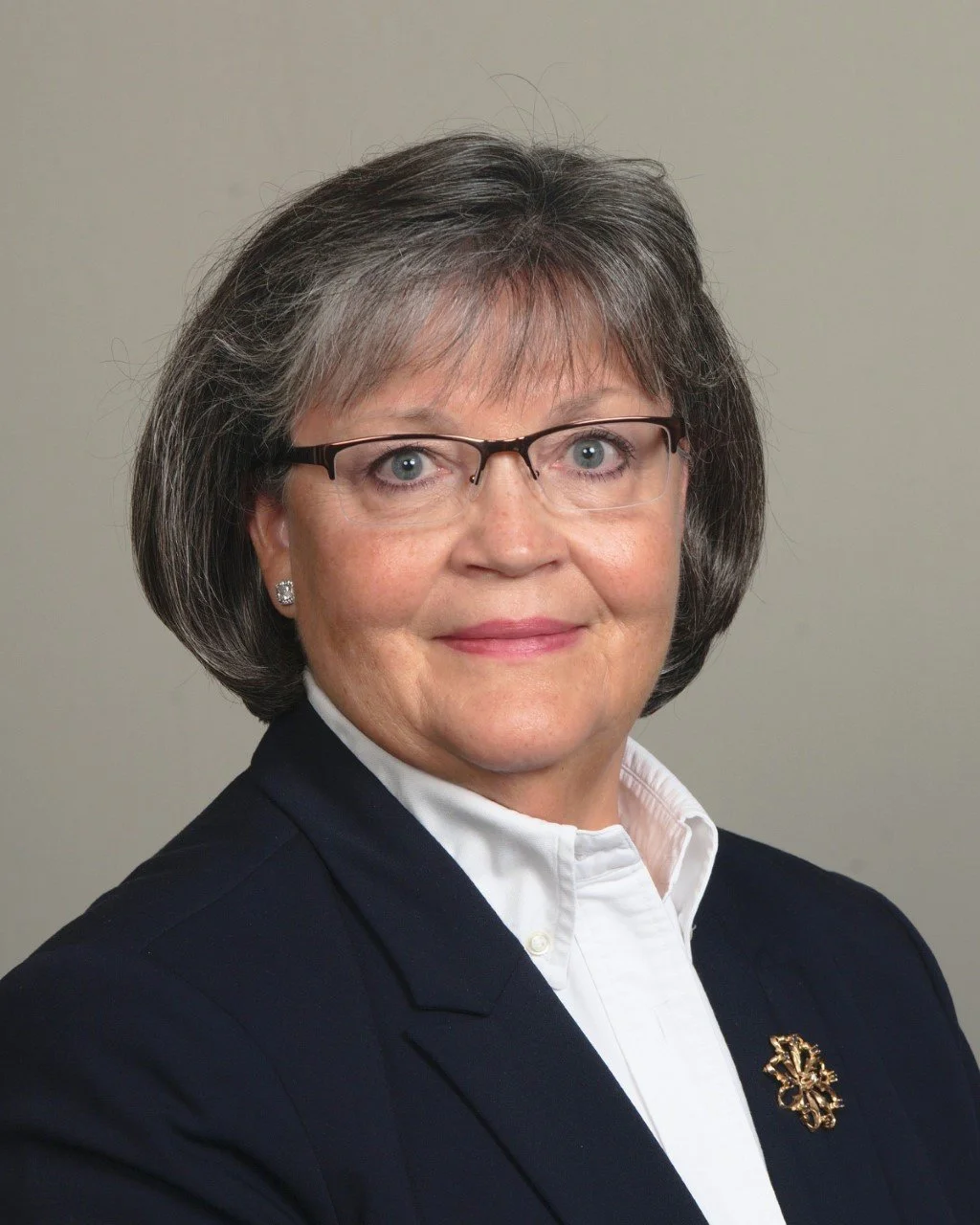
Dr. Tracy Yaeger
At the end of Mental Health Awareness Month 2026, Mighty Crow’s CEO, Dr. Gretchen Hammond, and Communications Strategist, Seth Michalak, sat down with Dr. Tracy Yaeger, CEO of Portage Path Behavioral Health in Akron, Ohio. With over 35 years of experience in the mental health profession, Dr. Yaeger offered unique insights and perspective on her start in the profession, changes she has seen during her career and the importance of not shying away from hard conversations. Dr. Yaeger also explained the challenging but rewarding process of implementing the 988 hotline in her area.
We opened by asking about her beginnings in the behavioral health profession, and Dr. Yaeger told us how she started early. “My wonderful parents, such a gift, raised me to help others and always give back. So, when I was probably in eighth grade I thought, 'I need to be a psychologist,'" she recalled. “I was the person who people came to, and it just kind of always stayed with me." Decades later, that early instinct has proved correct. "To tell you the truth, I'm doing today what I thought I would be doing."
When we asked how the public conversation around mental health has shifted during her career, Dr. Yaeger pointed to the cyclical nature of trends and the permanent, beneficial changes in awareness. While the diagnoses that dominate the public conversation often fluctuate, she noted, the deep shift has been a steady rise in conversations about mental health and a meaningful reduction in stigma. That reduction being something she has seen accelerate since the pandemic.
She also sees new challenges emerging, particularly among young people. "One of the things I see, especially with our youth, adolescents and young adults, is our technology," she said. "The whole social media, phone, and video game thing. All of that is contributing to different types of social anxiety and communication problems. We always have to be cognizant of what things are coming in so we can try to be ahead of that curve."
When we asked what she is now able to discuss openly now that would have been off-limits earlier in her career, Dr. Yaeger pointed to the prevalence of behavioral health issues and people's growing willingness to name them. "It's not the deep dark secret in the closet," she said.
Through community events hosted by Portage Path, Dr. Yaeger has seen people share how suicide and other behavioral health crises have shaped their lives. For many, it is the first time these stories are spoken aloud. "Everyone we approach, we know their family, co-workers, they all have somebody or something," she said. "That makes our work a little bit easier."
She has seen the same openness around 988, the national mental health crisis line. "I wear my 988 shirts all the time, and people stop me in the grocery store and they're like, 'Hey, I like your shirt. 988 helped me.'"
Dr. Yaeger said implementing 988 locally was both rewarding and hard. Portage Path operated a 50-year-old support line staffed entirely by trained volunteers and rebuilt it. The new operation had to be wired into a 35-year-old building with minimal internet infrastructure too.
She recognized that without dedicated funding support, those changes could not have happened. That funding has also helped Portage Path get the word out, placing 988 messaging in spaces where it can reach people in the moments they need it most.
The most important factor in the line’s success, though, is the people answering the calls, and Dr. Yaeger is acutely aware of what they carry. She spoke about the importance of taking care of the staff answering crisis calls. Post-shift debriefing and support are essential so the team is ready for the next person looking for help.
When we asked what she is proudest of in her time at Portage Path, Dr. Yaeger did not identify a program or a specific accomplishment. Instead, it was again about the people. Both the people on her staff and the people they have helped. "The high-quality services we've been able to deliver, and the longevity in the staff that fulfill our mission," she said. "My ability to make sure that people who sought us out never felt less than or that they were not welcomed.”
When we asked what makes a meaningful Mental Health Awareness Month, Dr. Yaeger said it’s not about one message, it is about many.
"The strategy is to diversify your messages to all different types of people, for all different types of things," she said. "Everybody struggles, and there's help for everybody no matter what it is that you need. Everybody needs to hear a message that resonates with them, that connects to something for them, that there's help. Life can be better."